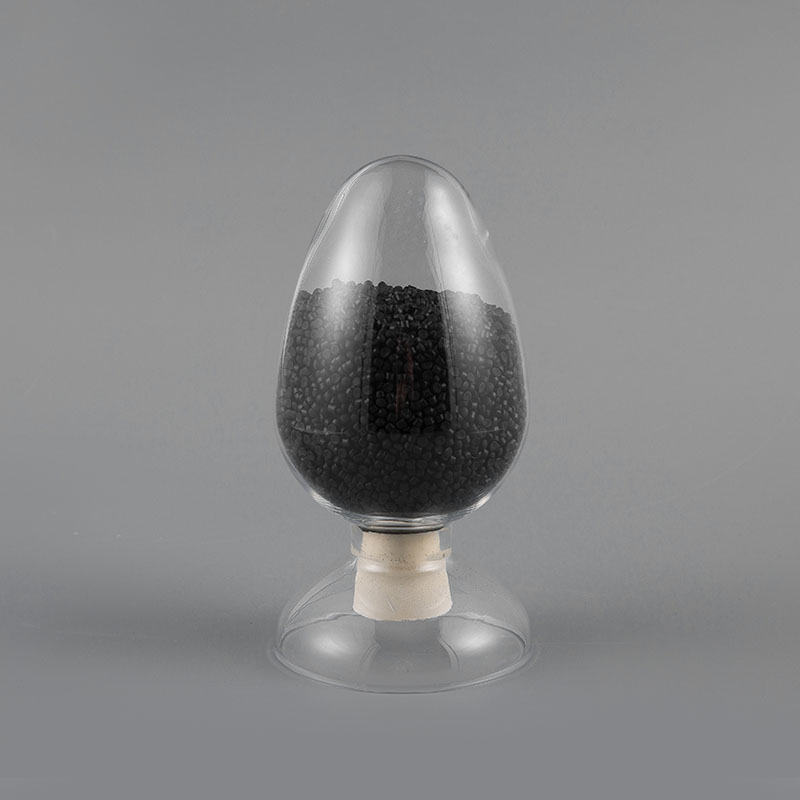
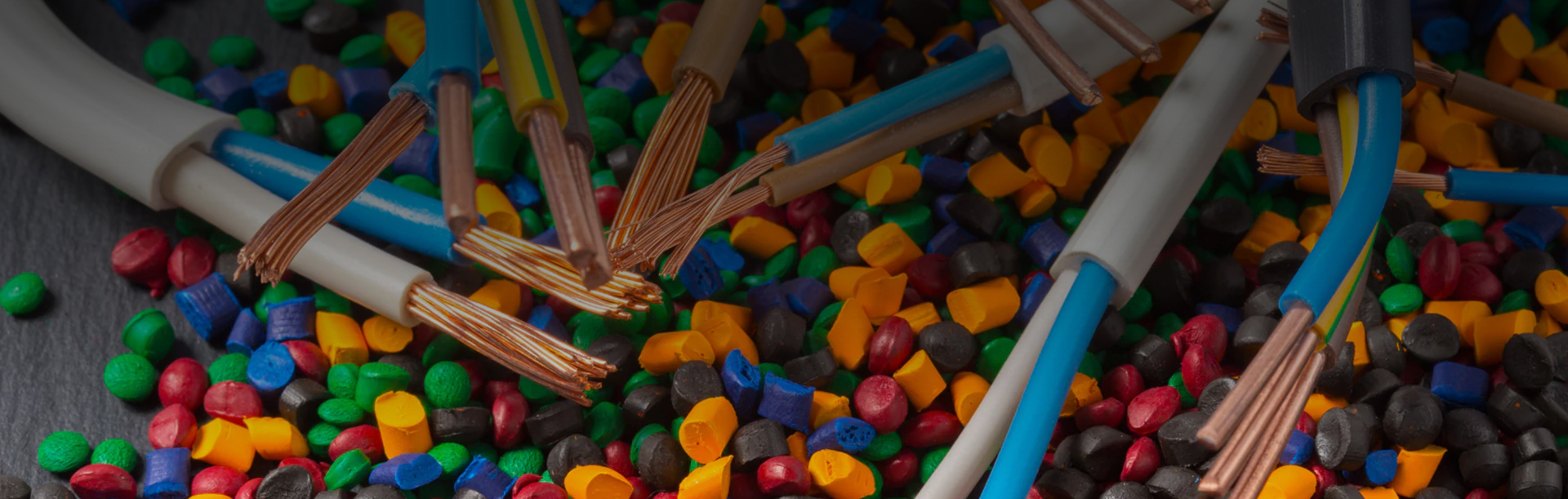
In the global move toward enhanced fire safety and environmental compliance, Low Smoke Zero Halogen (LSZH) materials have become indispensable. However, transitioning to LSZH compounds for cables presents significant rheological and mechanical hurdles compared to traditional PVC or PE. Hangzhou Meilin New Material Technology Co., Ltd., established in 1994, has evolved into a leading professional manufacturer with 31 advanced automated production lines across 45,000 square meters of modern facilities. With an output value exceeding RMB 700 million in 2024, our engineering team, including 5 senior engineers, specializes in high-performance LSZH compounds for cables. This article explores how to optimize LSZH cable extrusion efficiency and addresses the technical complexities of halogen free flame retardant cable compounds.
The primary challenge in processing LSZH vs PVC for cables is the extremely high viscosity of LSZH. Because LSZH compounds for cables are highly filled with inorganic flame retardants like Aluminum Trihydrate (ATH) or Magnesium Hydroxide (MDH), the melt behavior is non-Newtonian and highly sensitive to shear. High shear rates can lead to rapid heat buildup, causing the LSZH compounds for cables to degrade or "pre-cure" inside the barrel. While PVC utilizes plasticizers to facilitate flow, LSZH relies on precise temperature control and specific screw geometries to prevent LSZH extrusion surface defects. At Hangzhou Meilin, our LSZH compounds for transportation cables are formulated to balance high flame retardancy with improved melt flow to mitigate these mechanical stresses.
| Processing Parameter | Standard PVC Compounds | LSZH Compounds for Cables |
| Typical Viscosity | Moderate (Adjustable with plasticizers) | Very High (Filler-dependent) |
| Shear Sensitivity | Low to Moderate | Extremely High |
| Screw Design Recommendation | General Purpose / Compression Screw | Low-Shear / High-Dispersive Mixers |
Maintaining the correct LSZH extrusion temperature profile is a delicate balancing act. If the temperature is too low, the LSZH compounds for cables will not achieve sufficient plasticization, resulting in a rough surface and poor LSZH cable mechanical properties. Conversely, exceeding the decomposition temperature of the mineral fillers (approx. 180°C - 200°C for ATH) triggers the release of water vapor, causing bubbles and structural failure. Engineers must utilize a LSZH cable insulation extrusion guide that emphasizes flat or slightly declining temperature profiles to manage the internal friction heat. Improving extrusion speed for LSZH compounds often requires the use of specialized processing aids for LSZH cable materials to reduce head pressure and prevent "shark skin" effects.
| Temperature Zone | Function in LSZH Processing | Risk of Improper Setting |
| Barrel Zone 1-2 | Solid conveying and pre-heating | Bridging or inconsistent feeding |
| Barrel Zone 3-4 | Melting and Homogenization | Thermal degradation of flame retardants |
| Die / Head | Final shaping and cooling | LSZH extrusion surface defects (Drooling) |
The LSZH cable mechanical properties, such as elongation at break and tensile strength, are highly dependent on the interfacial bonding between the polymer matrix and the mineral fillers. Without proper coupling agents, LSZH compounds for cables can become brittle. Additionally, moisture management is critical; how to prevent moisture absorption in LSZH involves strict pre-drying protocols (typically 70°C for 2-4 hours) before the material enters the hopper. At Hangzhou Meilin, we utilize 31 advanced automated lines to ensure that our UV resistant LSZH compounds and high flame retardant LSZH for data cables maintain consistent chemical stability and physical performance across every batch.
Optimizing the extrusion of LSZH compounds for cables requires a holistic approach that integrates advanced screw design, precise thermal management, and high-quality raw materials. By addressing the specific shear and temperature sensitivities of halogen free flame retardant cable compounds, manufacturers can achieve high-speed production without sacrificing quality. Hangzhou Meilin New Material Technology Co., Ltd. remains committed to providing state-of-the-art cable materials, leveraging our decades of experience and 31 automated lines to serve the global energy and transportation sectors with excellence.
LSZH fillers like ATH begin to release water (dehydrate) at around 180°C-200°C. If the extrusion temperature exceeds this threshold, the resulting steam will cause bubbles and voids in the cable jacket.
Efficiency can be improved by using low-friction screws and specialized processing aids for LSZH cable materials. These additives reduce melt pressure, allowing for higher screw RPMs while keeping melt temperatures stable.
This is usually caused by excessive melt fracture at the die exit due to high viscosity. Reducing the output speed or increasing the die temperature slightly can help, as can using LSZH compounds for cables with optimized flow properties.
LSZH is hygroscopic due to its high filler content. It must be stored in a cool, dry place in original sealed bags. If exposed to air, the compound must be dried in a desiccant dryer before processing.
PVC is more thermally stable and easier to extrude at higher speeds. LSZH is more abrasive on equipment and requires much more precise shear and temperature management to maintain LSZH cable mechanical properties.
No. 259 Xingyu Street, Lin'an District, Hangzhou City, Zhejiangin maakunta
+86-0571-63763088
OTA YHTEYTTÄ Luova projekti? Pidetään tuottava keskustelu.
Tekijänoikeus © Hangzhou Meilin New Materials Technology Co., Ltd. Kaikki oikeudet pidätetään. Mukautetut sähköjohto- ja kaapelimateriaalien valmistajat